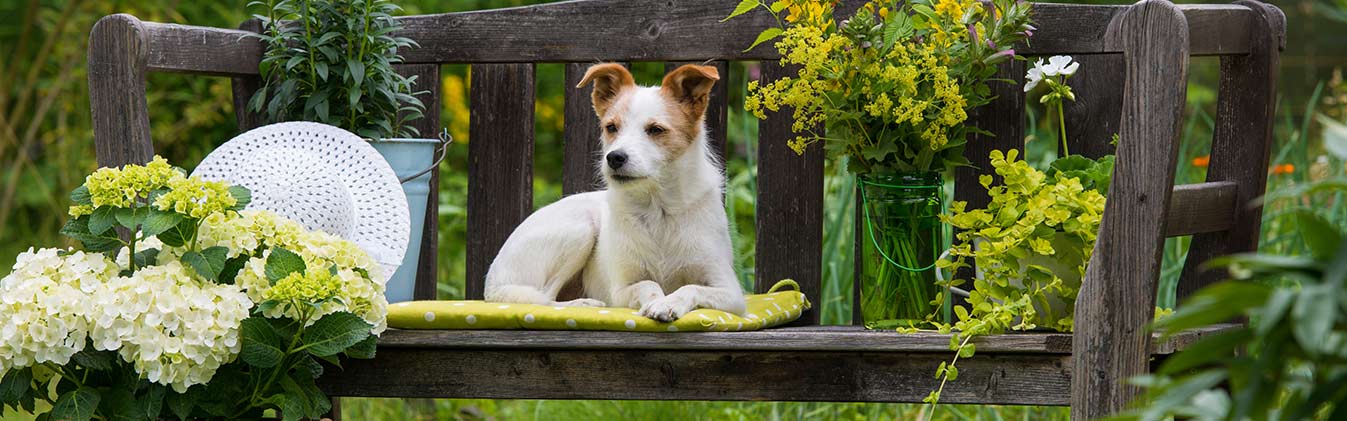


Abbeville Road gardening tips for small terraces and front gardens
Posted on 12/11/2026
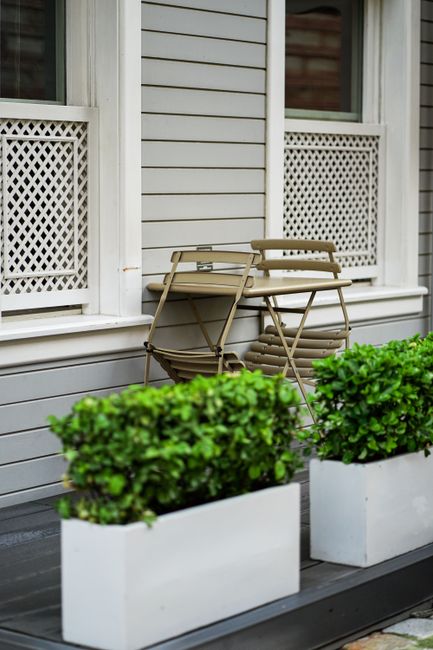
If you are trying to make a small terrace or front garden on Abbeville Road feel calm, welcoming, and genuinely useful, you are not alone. Space is tight, privacy can be tricky, and the wrong plant choice can make everything feel cluttered by mid-summer. The good news? With the right Abbeville Road gardening tips for small terraces and front gardens, even a narrow strip of paving can become a place you actually want to use. This guide pulls together the practical details that matter: planting, layout, containers, maintenance, and the little decisions that make a compact garden work hard without looking overworked.
Why Abbeville Road gardening tips for small terraces and front gardens Matters
Small outdoor spaces are unforgiving in a very specific way. One oversized pot, one badly placed shrub, or one patch of tired paving, and the whole area starts to feel tighter than it really is. That is why a thoughtful plan matters more than simply buying plants you like on the day. On Abbeville Road, where front gardens and terraces often need to balance kerb appeal with privacy and everyday practicality, a compact design has to do several jobs at once.
There is also the local context to think about. London terraces can be windy, shaded by neighbouring buildings, and exposed to reflected heat from brick and paving. Some front gardens are seen from the street every day, so they need to look tidy in all seasons. Others are used as a brief pause point: a place for a chair, a morning coffee, a few herbs, or a bit of colour by the door. The aim is not to cram in more. It is to choose better.
Expert summary: for small terraces and front gardens, the best results usually come from three things working together: a simple layout, plants that suit the conditions, and maintenance that stays realistic. If any one of those is off, the whole space can feel fussy pretty quickly.
How Abbeville Road gardening tips for small terraces and front gardens Works
The basic principle is simple: reduce visual noise, create structure, and let every square metre earn its keep. In a small terrace or front garden, the eye reads height, width, and repetition before it reads plant names. That means your design should guide attention rather than scatter it.
A good compact garden usually uses layers. The lower layer might be a neat run of pots, low ground cover, or a clipped edging plant. The middle layer can hold taller perennials, small shrubs, or a compact tree in a container. The upper layer is often vertical: trellis, climbers, a wall-mounted feature, or a well-chosen hedge shape. Used carefully, those layers make the space feel fuller without feeling busy.
It also helps to think seasonally. A front garden should still look presentable in February, not only in June. That means choosing plants with strong form, evergreen structure, or good winter texture. For terrace gardens, it is often smarter to work with containers that can be moved, rotated, or replaced than to rely on fixed planting alone. Truth be told, flexibility is your best friend here.
If you are planning a more substantial refresh, it can also help to look at broader support options such as professional gardening services in Clapham SW4 or structured landscaping solutions when the layout needs rethinking from the ground up.
Key Benefits and Practical Advantages
A well-designed terrace or front garden does more than look nice. It improves how the whole property feels from the street and from inside the house. That sounds obvious, but the effect is real. Open the front door to a tidy, layered planting scheme and the house feels calmer before you even step outside.
- More usable space: compact furniture, vertical planting, and slim containers create room where there did not seem to be any.
- Better privacy: screens, climbers, and well-placed hedging can soften views without making the space feel boxed in.
- Lower upkeep: when planting is deliberate, maintenance becomes shorter and less chaotic.
- Year-round structure: evergreen shapes and durable materials keep the garden looking finished even in poor weather.
- Stronger kerb appeal: a front garden with shape and consistency makes a home look cared for.
There is a hidden benefit too: a good small garden tends to save money over time. Not because plants are cheap, but because you make fewer mistakes. You buy fewer impulse items, waste less compost, and do not keep replacing things that were never suited to the space in the first place.
For spaces that need regular upkeep, simple support like ongoing garden maintenance can stop a tidy design from slipping into that slightly scruffy stage that appears after one busy month.
Who This Is For and When It Makes Sense
This approach is ideal if you have a narrow terrace, a small front garden, a paved entry area, or a shared side return that needs to work harder. It is also a strong fit for people who want a garden that looks good without demanding a full Saturday every week. If that sounds familiar, yes, this is probably for you.
It makes particular sense if you:
- want to improve a front garden without losing access or creating clutter
- need more privacy from the street or neighbouring windows
- have a shaded terrace and are tired of plants failing in the same corner
- prefer container gardening over digging up the whole space
- need a garden that stays manageable through winter and windy spells
It may be less suitable if you want a densely planted, high-maintenance showcase garden. Compact spaces can do lush, but they need restraint. Otherwise you end up with a beautiful mess, which is rarely what anyone wanted on a Monday morning.
Step-by-Step Guidance
Here is the practical route we would recommend for most small terraces and front gardens on or around Abbeville Road.
1. Start with a hard look at the space
Measure the main usable area, note where the sun falls, and be honest about wind, shade, and drainage. A garden can look sunny online and still be a cold little pocket in real life. Check where water sits after rain, where pedestrians pass, and which areas are visible from the street.
2. Decide the garden's main job
Ask yourself a simple question: is this space mainly for display, privacy, relaxing, or growing plants? You can combine functions, of course, but one purpose should lead. A front garden that needs to stay neat will have different priorities from a terrace that needs to hold chairs, herbs, and a bit of evening atmosphere.
3. Build the structure first
Use the least number of large elements possible. Think: one bench instead of two chairs and a table and a stool and a lantern and... you get the idea. Add a narrow path, a simple edge, or a small screen if needed. If the bones are good, the garden will feel more generous than it is.
4. Choose containers with purpose
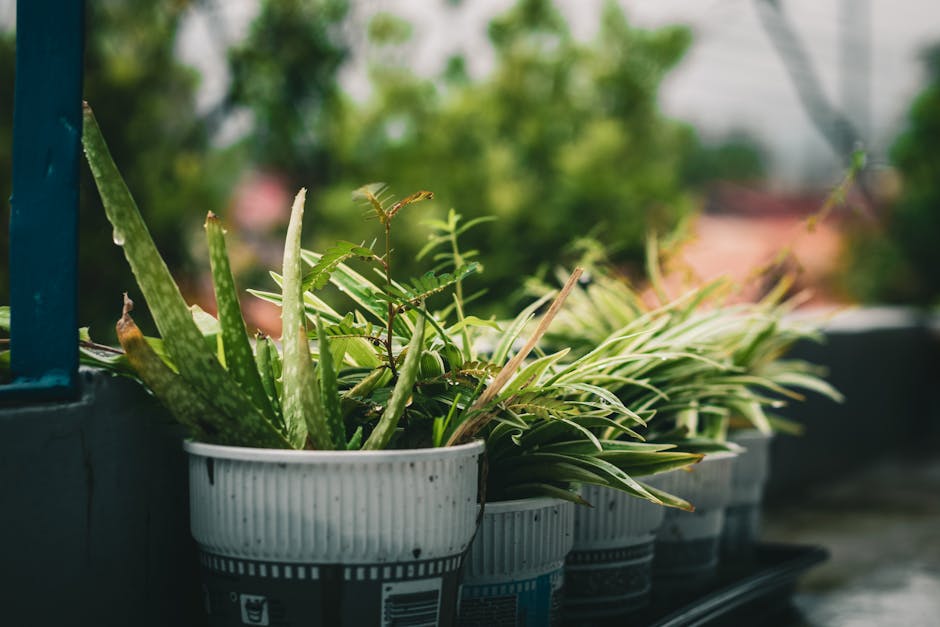
Containers are brilliant in compact gardens because they let you control soil, movement, height, and seasonal change. Mix shapes, but do not mix too many styles. A repeated container colour or finish makes a tiny space feel coherent. If you want more ideas, the guide on container gardening is a useful place to start.
5. Add plants in layers
Choose a small number of strong plants rather than many weak ones. Use one or two structural plants, a handful of fillers, and a trailing or ground-level layer. That balance tends to work better than a random collection bought on impulse, especially when you are standing in a garden centre trying not to be seduced by every label.
6. Finish with practical maintenance habits
Plan how you will water, deadhead, weed, and trim. If you cannot explain the weekly routine in one minute, the design may be too complex. A manageable garden is more likely to stay beautiful than a spectacular one that exhausts you.
Expert Tips for Better Results
The best small garden work is often less about grand ideas and more about good judgement. Small choices matter. A lot.
- Repeat materials: use the same paving tone, pot colour, or planter finish to calm the eye.
- Go vertical where possible: a wall, fence, or trellis can carry colour without using floor space. Our team often points people toward vertical gardening ideas when ground space is already spoken for.
- Use evergreen backbone planting: it keeps the scene looking intentional during the quieter months.
- Limit plant varieties: three to five repeating plants often look more elegant than ten different ones.
- Keep the front edge clean: a tidy border or edging detail makes even a tiny garden feel maintained.
- Think in views: what do you see from the front door, the pavement, and the main window? Each angle matters.
One practical tip that people often overlook: if your front garden is exposed, wind protection matters just as much as plant choice. A simple barrier, hedge, or screened corner can stop leaves from shredding and pots from drying out too fast. For that reason, a read on wind protection strategies can be surprisingly useful for London gardens.
Another small but important point: if your terrace gets full sun in summer, lighter surfaces and drought-tolerant planting can make a big difference. The right plant selection is not fancy. It is just smart. You can explore more in drought-resistant planting ideas.
Common Mistakes to Avoid
Small gardens punish indecision and overconfidence equally. A few of the most common mistakes are easy to spot once you know what to look for.
- Overfilling the space: too many pots, benches, and ornaments make the garden feel cramped.
- Choosing plants for the label, not the site: shade, wind, and drainage need to come first.
- Ignoring maintenance access: if you cannot reach the back of a bed or container, it will become a nuisance.
- Using tiny items everywhere: lots of small features can make the whole area look messy.
- Forgetting winter: a garden that looks wonderful in July but bare and awkward in January is only half-designed.
- Neglecting hard surfaces: paving, steps, and patios can dominate the look when they go grimy or mossy.
That last one matters more than people expect. In a small front garden, a dirty slab or patchy path can undo a lot of good planting. If your terrace or paving needs attention, patio cleaning services can help the planting and hard landscaping feel like part of the same design rather than separate problems.
And if you are tempted to squeeze in a hedge for privacy, make sure it stays proportionate. Oversized screening can quickly swallow a front garden whole. Careful shaping is the difference between elegant and oppressive. A useful reference point is hedge trimming shapes and techniques.
Tools, Resources and Recommendations
You do not need a van full of gear to maintain a small garden well. In fact, the leaner the toolkit, the easier it is to stay organised.
- Hand trowel and fork: for planting, aerating, and general pot work.
- Sharp secateurs: useful for deadheading, trimming, and shaping small shrubs.
- Watering can or hose with control: compact gardens often need more targeted watering than a broad spray.
- Quality compost and mulch: helps containers hold moisture and keeps beds looking finished.
- Small broom or patio brush: ideal for keeping terraces and front paths tidy.
- Gloves and a kneeler: simple, but your knees will thank you later.
For longer-term planting decisions, it is worth exploring the kind of supporting topics that sit naturally alongside terrace design. The article on ground cover options is helpful if you want lower-level planting that softens edges without taking over. If privacy is a big issue, privacy-providing hedges can give you a better sense of what works in a contained space.
And if your garden is badly out of shape already, there is no shame in starting with a reset. A sensible refresh can save time and money compared with trying to patch over every problem at once. The ideas in launching a makeover on your unkempt garden are a solid starting point.
Law, Compliance, Standards, or Best Practice
For most small terrace and front garden work, the main issue is not law so much as sensible best practice. Still, there are a few points worth keeping in mind in a London setting.
If you live in a terrace or a shared building, check any lease or property agreement before making major changes to front boundaries, fences, shared access, or fixed structures. Some front gardens are part of a wider ownership arrangement, and it is better to clarify that early than to discover a problem after delivery day.
Boundary height, sight lines, drainage, and access all deserve careful thought. A tall screen can affect light and neighbour relations. Poorly placed planters can obstruct entry or push water toward the wrong place. And if you are dealing with established trees, roots, or larger branches, it is wiser to use qualified help rather than guess. For that kind of work, a specialist service such as tree surgery support is the safer route.
Best practice also means looking after the garden in a way that does not create nuisance for neighbours. Trimmings should be managed, soil should not spill onto pavements, and regular cutting back keeps plant growth from wandering over paths or fences. If you need help with routine cutting, hedge trimming can keep things neat without overdoing the shape.
To be fair, most of the compliance side is just common sense: keep things safe, keep access clear, and keep any structural changes modest unless you have checked the setup properly.
Options, Methods, or Comparison Table
When planning a small terrace or front garden, the biggest design choice is often how you want to use the limited space. Each approach has strengths. Here is a simple comparison.
| Method | Best for | Strengths | Trade-offs |
|---|---|---|---|
| Container-led design | Terraces, renters, flexible layouts | Easy to rearrange, good for changing light, simple to refresh | Needs watering and feeding more often |
| Low-planting front garden | Neat street-facing spaces | Clean look, easy access, less visual clutter | Can feel sparse if not layered well |
| Vertical screen and climbers | Privacy and height in tight spaces | Saves floor space, adds softness, improves enclosure | Needs training, pruning, and support |
| Mini seating corner | People who want to use the garden daily | Creates a usable outdoor room | Must be kept simple or it crowds the space |
For many Abbeville Road homes, the best answer is actually a hybrid: a couple of containers, one vertical feature, and one clean seating zone or entrance path. That mix gives you flexibility without losing structure.
Case Study or Real-World Example
Imagine a modest front garden with a narrow path, a small patch of soil, and a wall that gets afternoon shade. At first glance it looks awkward. Too small for much. Too open for privacy. A bit dull, frankly.
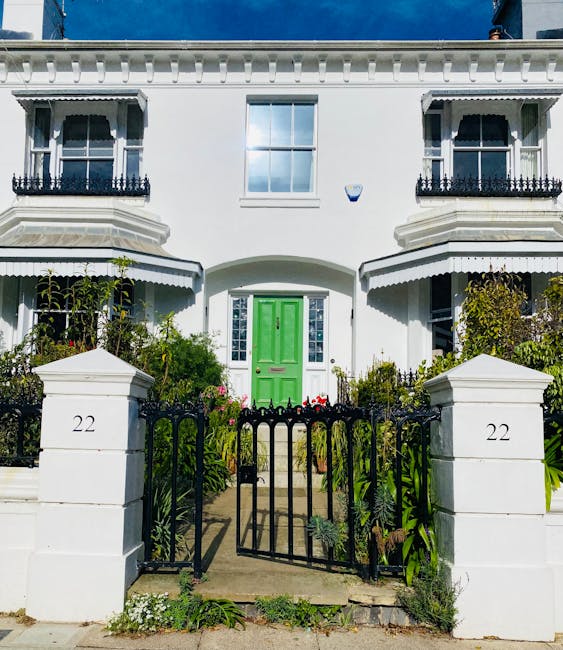
A sensible redesign might go like this: the path is cleared and edged neatly; two matching planters are placed near the entrance for symmetry; a slender evergreen climber is trained up a simple support; and one compact shrub with year-round shape anchors the corner. Then a low ground-cover layer softens the front edge so the planting does not look stranded.
What changes? The space feels intentional. The entrance looks cared for. The garden no longer reads as an afterthought, which is often the real issue in small front gardens. Even on a grey morning, when the pavement is damp and the street is busy, the space still looks composed.
We have seen versions of this work especially well when the owners keep the palette tight: one foliage tone, one accent flower colour, and one pot style. Nothing fancy. Just disciplined. And yes, it is a little less dramatic than some Pinterest dream board, but it actually survives Tuesday weather.
Practical Checklist
Use this before you buy anything new.
- Have I measured the available floor space accurately?
- Do I know the main light conditions across the day?
- Have I identified wind exposure and drainage issues?
- Is the garden mainly for display, privacy, seating, or growing?
- Have I kept the number of materials and plant types under control?
- Do all chosen plants suit a London terrace or front garden setting?
- Will I be able to water, prune, and tidy this design easily?
- Is there enough room to move without the garden feeling crowded?
- Have I planned for winter appearance as well as summer colour?
- Do any fences, hedges, trees, or hard surfaces need specialist attention?
If you can tick most of those off, you are in good shape. If not, pause and simplify before adding more.
Get a free quote today and see how much you can save.
Conclusion
The best Abbeville Road gardening tips for small terraces and front gardens are not about filling every gap. They are about making calm, smart choices that suit the space you actually have. A compact garden can feel spacious, stylish, and useful when the layout is clear, the planting is restrained, and the upkeep stays realistic.
Start small if you need to. One good container, one reliable structure plant, one tidy edge. That is often enough to shift the whole mood of a space. And once the foundations are right, everything else becomes easier. A small garden should not feel like a compromise. Done well, it feels like a little piece of breathing room right outside the door.
There is something quietly satisfying about that, isn't there?

With his proficiency in gardening, Edwin can craft informative articles on landscaping, lawn care, and garden maintenance, assisting countless individuals in attaining the garden they've been longing to have.